






How much do veneers cost in Turkey? It is the question on every patient's lips before they book a flight to Antalya. The short answer: significantly less than you would pay at home. The full answer is more nuanced, because veneer prices in Turkey depend on the type of material, the number of teeth, the clinic's location, and what extras are bundled into your package.
This guide breaks down every cost factor clearly so you can plan your trip with real numbers, not vague estimates.
Table Of Contents
- Average Cost of Veneers in Turkey (2025)
- Types of Veneers and What Each Costs
- What Affects the Price of Veneers in Turkey?
- What Is Included in the Package Price?
- Turkey vs UK vs USA: Price Comparison
- How Long Does the Treatment Take?
- Is It Safe to Get Veneers in Turkey?
- How to Choose the Right Clinic
- Hidden Costs to Watch Out For
- Frequently Asked Questions
Average Cost of Veneers in Turkey (2025)
Prices in Turkey vary by clinic tier and city, but the ranges below reflect what most reputable Antalya clinics charge in 2025:
| Veneer Type | Cost Per Tooth (USD) | Cost Per Tooth (GBP) | Typical Lifespan |
|---|---|---|---|
| E-Max Porcelain | $200 - $350 | £160 - £275 | 15-20 years |
| Porcelain Laminate | $180 - $300 | £140 - £235 | 10-15 years |
| Composite Resin | $100 - $180 | £80 - £140 | 5-7 years |
| Zirconia | $250 - $400 | £195 - £315 | 15-20+ years |
Most patients treat 8 to 10 upper front teeth, bringing the total package to somewhere between $1,600 and $3,500 for a full smile transformation. Full-mouth treatments covering all 20 visible teeth can reach $5,000 to $7,000, still a fraction of UK or American prices.
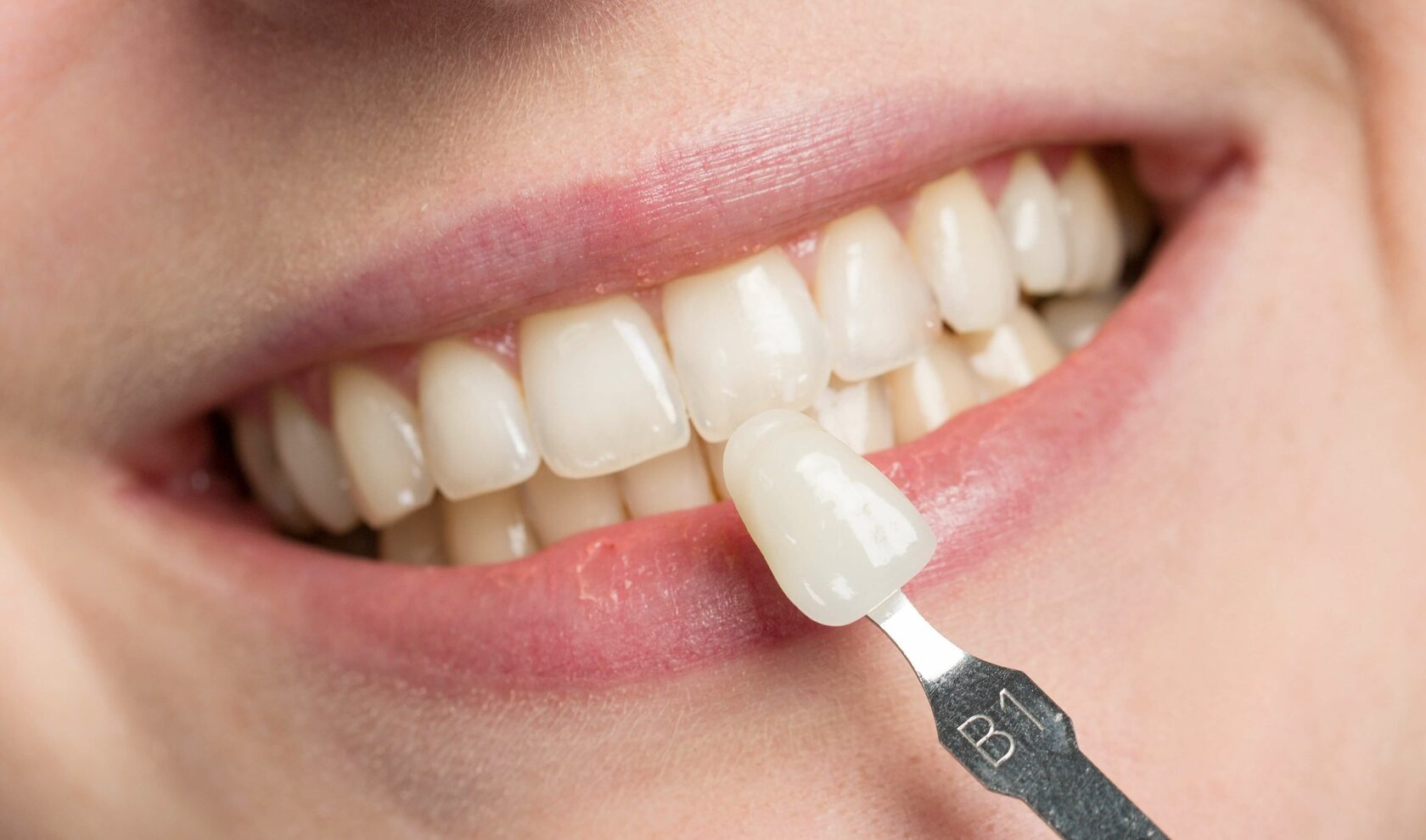
Types of Veneers and What Each Costs
The material you choose is the single biggest factor in the final price. Each type has genuine clinical trade-offs, not just cosmetic ones.
E-Max Porcelain Veneers
E-Max is a lithium disilicate ceramic pressed under heat. It is the gold standard for smile design work because the translucency closely mimics natural enamel. At DentPrime, E-Max is the most requested veneer material by patients travelling from the UK and Germany.
The preparation is minimal, the colour matching is excellent, and the 15-20 year lifespan means you will not be replacing them every few years. Price range: $200-$350 per tooth in Turkey vs $1,200-$2,000 per tooth in the UK.
Porcelain Laminate Veneers
Traditional porcelain laminates are ultra-thin shells, sometimes as thin as 0.3mm, bonded to the front surface of the tooth. They require very little enamel removal, which makes them a popular choice for patients who want to preserve tooth structure.
In Turkey, a porcelain laminate veneer costs between $180 and $300. The result looks highly natural and they resist staining far better than composite. Pair these with a full Hollywood Smile package for the most dramatic transformations.
Composite Veneers
Composite veneers are applied chairside in a single session - no lab work, no temporary veneers, no waiting. A skilled cosmetic dentist sculpts and bonds the resin directly onto your teeth. The cost is the lowest of all options ($100-$180 per tooth), but the trade-off is longevity: composite typically lasts 5-7 years and is more prone to chipping and staining than porcelain.
They work well for patients on a tighter budget, patients who cannot commit to a longer treatment window, or as a trial run before committing to permanent porcelain veneers. Read our detailed porcelain vs composite veneers guide for a deeper comparison.
Zirconia Veneers
Zirconia is the hardest dental ceramic available. It is most commonly used for crowns, but ultra-thin zirconia veneers do exist and are recommended for patients with bruxism (teeth grinding) or those who need to cover significant discolouration that porcelain cannot fully mask.
At $250-$400 per tooth in Turkey, they cost slightly more than E-Max, but the durability is unmatched. Patients who grind their teeth heavily often find they are the better long-term investment.
What Affects the Price of Veneers in Turkey?
Two patients can walk into the same clinic and receive different quotes. Here is why:
- Number of teeth: A 6-veneer package costs considerably less than a 16-veneer package. Many clinics offer per-tooth pricing that scales with volume, so treating more teeth at once can lower the per-unit cost.
- Clinic location: Istanbul clinics tend to charge 20-30% more than Antalya clinics due to higher operational costs in the city. Antalya has become the primary destination for dental tourists specifically because the clinics there built their entire model around international patients.
- Clinic tier: A boutique clinic with a single specialist charges differently from a high-volume international clinic with multiple treatment rooms and in-house labs. Both can produce excellent results - what differs is the experience and turnaround speed.
- In-house lab vs. outsourced lab: Clinics with in-house ceramic labs can offer faster turnaround (sometimes 3-4 days vs 5-7 days) and slightly lower prices because there is no third-party lab margin involved.
- What is included in the package: Some prices are per-tooth only. Others include accommodation, transfers, and aftercare. Always confirm what the quote covers.
- Additional treatments needed: If you need whitening, gum contouring, or X-rays before veneers can be placed, those costs are added on. A reputable clinic will identify these in the initial consultation before you commit.
What Is Included in the Package Price?
The veneer packages that Turkish dental clinics offer international patients are usually far more comprehensive than anything you get at a UK or American private practice. A standard all-inclusive package typically covers:
- Initial consultation and digital X-rays
- 3D smile design simulation (so you see the result before any tooth preparation)
- Tooth preparation and temporary veneers
- All ceramic material and lab work
- Final veneer bonding, adjustment, and polishing
- Hotel accommodation (typically 4 or 5-star)
- Return airport transfers
- Translator service throughout the treatment
- Post-treatment aftercare instructions and emergency contact
This model makes financial sense: when you are spending $2,000 on treatment, a hotel room costs the clinic very little to include but significantly reduces the patient's anxiety about logistics. It is one of the reasons dental tourism to Turkey has grown so consistently, year after year.
If a package does not list accommodation, always ask. Some clinics charge separately; others include it only for patients booking a minimum number of veneers.
Turkey vs UK vs USA: Price Comparison
The price gap between Turkey and Western countries is substantial. Here is a direct comparison based on average 2025 private practice rates:
| Veneer Type | Turkey (Per Tooth) | UK (Per Tooth) | USA (Per Tooth) | Saving vs UK |
|---|---|---|---|---|
| E-Max Porcelain | $200-$350 | $1,100-$1,600 | $1,200-$2,000 | Up to 80% |
| Porcelain Laminate | $180-$300 | $900-$1,400 | $900-$1,800 | Up to 80% |
| Composite | $100-$180 | $400-$700 | $400-$1,000 | Up to 75% |
| Zirconia | $250-$400 | $1,200-$1,800 | $1,500-$2,500 | Up to 80% |
On a 10-veneer E-Max package, the typical patient from the UK saves between £7,000 and £12,000, even after factoring in flights and accommodation. That is not a marginal saving - it is the difference between affording the treatment at all or having to delay it indefinitely.
Why does this price gap exist? It is not because Turkish clinics cut corners. The main drivers are lower staff wages, lower property costs, a government that actively promotes dental tourism (meaning clinics benefit from tax incentives), and the volume effect - Turkish dental clinics treating international patients see far more cases per week than a typical UK private practice, allowing them to operate efficiently at lower margins.
The materials, by the way, are the same. Most reputable Turkish clinics use Ivoclar E-Max, Vita ceramics, and 3Shape or Dentsply CAD/CAM systems - the same brands and platforms used in London, Munich, and New York.
How Long Does the Treatment Take?
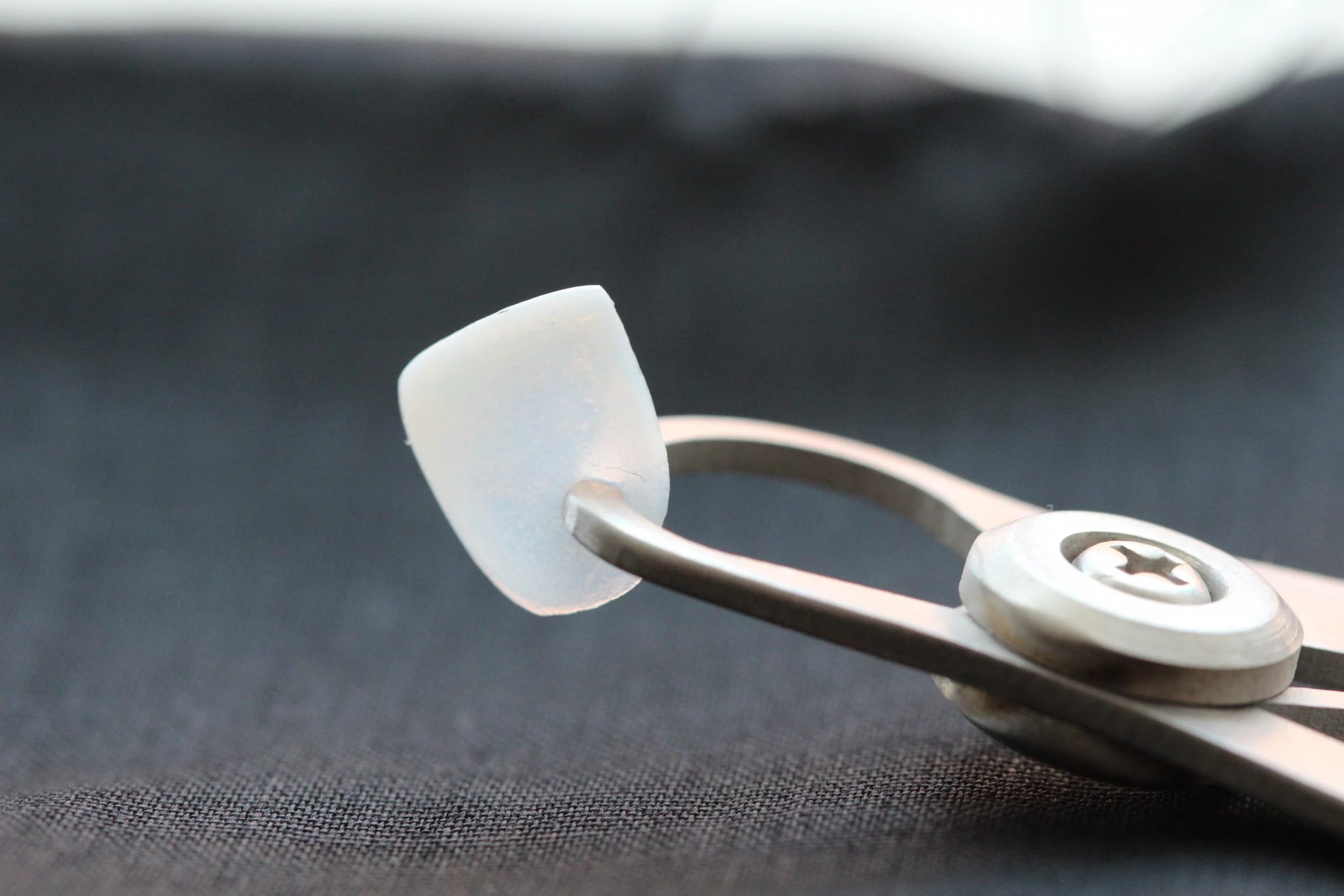
Porcelain and E-Max veneers require two clinic visits with a lab period in between. Most patients complete treatment in 5 to 7 days total, which means a single trip to Antalya is sufficient.
A typical timeline looks like this:
- Day 1: Consultation, X-rays, digital smile design, shade selection
- Day 2: Tooth preparation (enamel shaping), temporary veneers placed
- Days 3-5: Lab fabricates the final ceramic veneers
- Day 6-7: Final veneer bonding, adjustments, bite check, polish
Composite veneers can be completed in a single day since there is no lab stage involved. For patients who have limited time or are visiting for a shorter break, composite offers an alternative, though the durability trade-off mentioned above applies.
If you are curious about the exact day-by-day logistics of a dental trip, our full guide on how long you need to stay in Turkey for veneers covers everything in detail.
Is It Safe to Get Veneers in Turkey?
The NHS advises patients to carry out thorough research before any cosmetic dental procedure, whether at home or abroad. That advice holds regardless of destination.
Turkey is a safe destination for veneers when you choose correctly. The key criteria are:
- Registered with the Turkish Dental Association (Turk Dis Hekimleri Birligi) - Turkish law requires all practising dentists to hold this registration
- Transparent before/after galleries showing real patient results, not stock photography
- Clear warranty policy - reputable clinics offer 3 to 10 year warranties on ceramic work
- English-speaking patient coordinator available from enquiry through to aftercare
- Documented patient reviews on Google, Trustpilot, or similar platforms, not just the clinic's own website
At DentPrime's dental journey page, you can see exactly what to expect at each stage, from your first message to your final fitting. This transparency is deliberate - patients should know what they are agreeing to before they book a flight.
For a deeper exploration of this topic, read our guide on whether dental tourism in Turkey is safe.
How to Choose the Right Clinic
Not all clinics charging similar prices deliver the same quality. Patients who report dissatisfaction after travelling abroad almost always share one thing in common: they booked based on price alone without vetting the clinic thoroughly.
Here is a practical checklist before you commit:
- Request a remote consultation - a good clinic will review your photos and X-rays before quoting
- Ask which specific ceramic brand they use (E-Max by Ivoclar? Vita Suprinity? Generic?)
- Ask about the dental technician - is the lab in-house or outsourced?
- Check that the cosmetic dentist has specific training in veneers and smile design, not just general dentistry
- Ask for written confirmation of what is included in your package
- Read reviews on third-party platforms, not just the clinic's own testimonials page
If a clinic cannot answer these questions clearly, that is a signal to keep looking. The best clinics in Antalya are highly experienced with international patients and will have no hesitation providing this information.
You can also explore our packages page or the full treatment price list to understand exactly what DentPrime includes before making any decisions.
Hidden Costs to Watch Out For
Most reputable clinics are transparent, but patients occasionally encounter costs they did not anticipate. Being aware of these upfront helps you budget accurately:
- Preliminary treatments: If you need a deep clean, gum treatment, or extractions before veneers can be placed, these are billed separately. A legitimate clinic will tell you this during the consultation stage, not after you have already arrived.
- Tooth whitening before veneers: Some patients request that their remaining natural teeth be whitened to match the veneers. This is typically a separate service.
- Revision appointments: If you return home and a minor adjustment is needed, travel costs are on you. This is rare with quality work, but worth factoring into your contingency budget.
- Flights and meals: Packages typically include accommodation and transfers but not flights or your food costs during the stay.
- Travel insurance: Always take out travel insurance that includes medical/dental complications cover when travelling for treatment. This is not a large cost but protects you significantly if something unexpected happens.
Ask your clinic coordinator to itemise everything before you book so there are no surprises on arrival. Understanding why Turkey prices are structured this way is also helpful - our detailed article on why veneers are so cheap in Turkey explains the economics clearly.
Frequently Asked Questions
How much does a full set of veneers cost in Turkey?
A full set of 20 veneers in Turkey costs between $3,600 and $8,000 depending on the material. E-Max and porcelain laminate packages for 20 teeth typically fall between $4,000 and $7,000. A more common treatment covering 8-10 upper front teeth ranges from $1,600 to $3,500.
Is Turkey cheaper for veneers than other countries?
Yes, substantially. The same E-Max veneer that costs $200-$350 in Turkey costs $1,200-$2,000 in the USA and $900-$1,600 in the UK. On a full 10-veneer package, patients from the UK typically save £7,000 to £12,000 even after flights and accommodation. Read our comparison of which country is best for veneers for a broader view.
Do Turkish clinics use the same veneer materials as UK or European clinics?
Reputable Turkish clinics use the same internationally recognised brands - Ivoclar E-Max, Vita ceramics, and leading CAD/CAM systems. The lower price reflects lower operating costs and higher patient volumes, not inferior materials. Always ask your clinic which specific brands and systems they use before booking.
Can I trust a dentist in Turkey for veneers?
Yes, if you choose a licensed, reputable clinic. All practising dentists in Turkey must be registered with the Turkish Dental Association. Thousands of patients from the UK, Germany, Ireland, and across Europe travel to Antalya each year for veneer treatment with consistently positive outcomes. Our guide on whether you can trust a dentist in Turkey covers this in full. The crucial factor is doing your research on the specific clinic rather than making assumptions based on country.
How long do veneers last in Turkey?
Veneer longevity depends on the material and how well you care for them at home. E-Max and porcelain laminates typically last 15-20 years with proper maintenance. Composite veneers last 5-7 years. These are the same lifespans you get from the same materials anywhere in the world - location of placement does not affect the material's durability.
Is it worth travelling to Turkey just for veneers?
For most patients, yes. On a 10-veneer package, the saving versus UK private rates is often £7,000 or more. Even accounting for flights, accommodation (usually included), and time off work, the financial case is clear. Whether it is worth going to Turkey to get your teeth done also depends on your personal comfort with travelling for medical treatment - this is worth thinking through honestly before booking.
About the Author